

Celebrating Black History Month: How the Great Migration Built Downtown Jamaica
In the early 20th century, millions of African Americans made a decision that would reshape the American landscape forever. Fleeing the oppressive Jim Crow South, they journeyed North in search of something their ancestors had never been given—a chance for opportunity, dignity, and freedom. This mass movement, known as the Great Migration, transformed cities across the nation. In Queens, Downtown Jamaica became a beacon of hope for those seeking a fresh start.
This Black History Month, we celebrate the families who chose Downtown Jamaica as their home and made it ours.
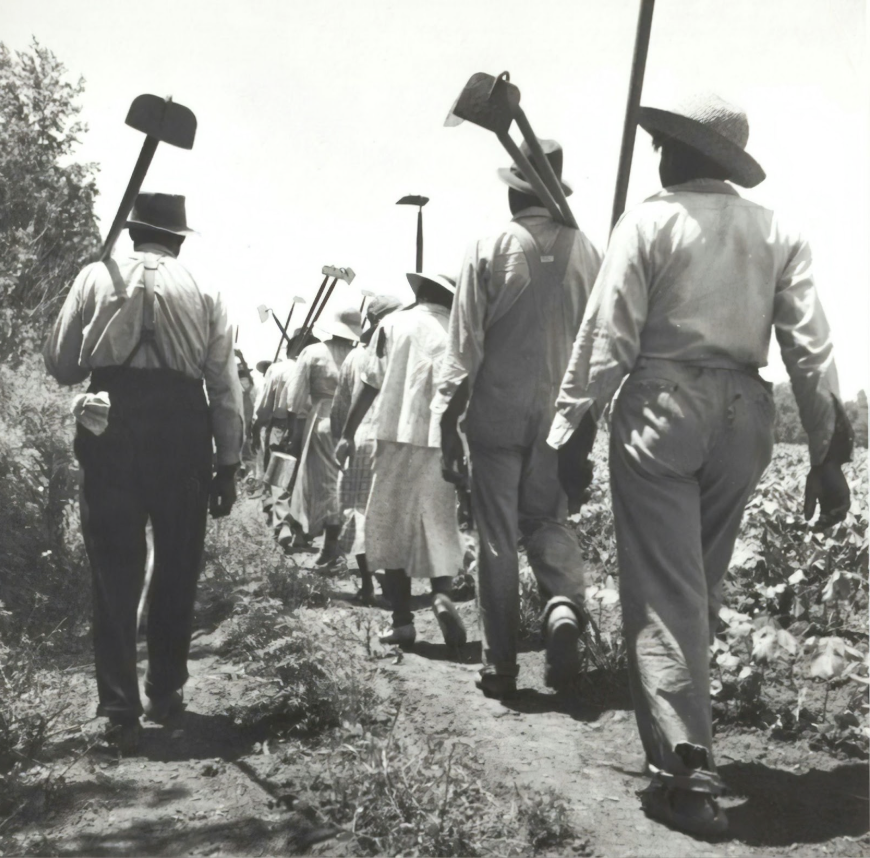
Photo via Unsplash
Leaving the South
In 1900, ninety percent of African Americans lived in the South, trapped in a cycle of limited work opportunities, discrimination enforced by Jim Crow laws, and the constant threat of violence. Most Black farmers didn't own the land they worked and struggled to survive on sharecropping wages. But as word spread of job openings in the North, particularly in defense industries during World War I, African Americans began leaving the South in waves. New York beckoned with the possibility of fair wages and the personal freedom they had been denied for generations.
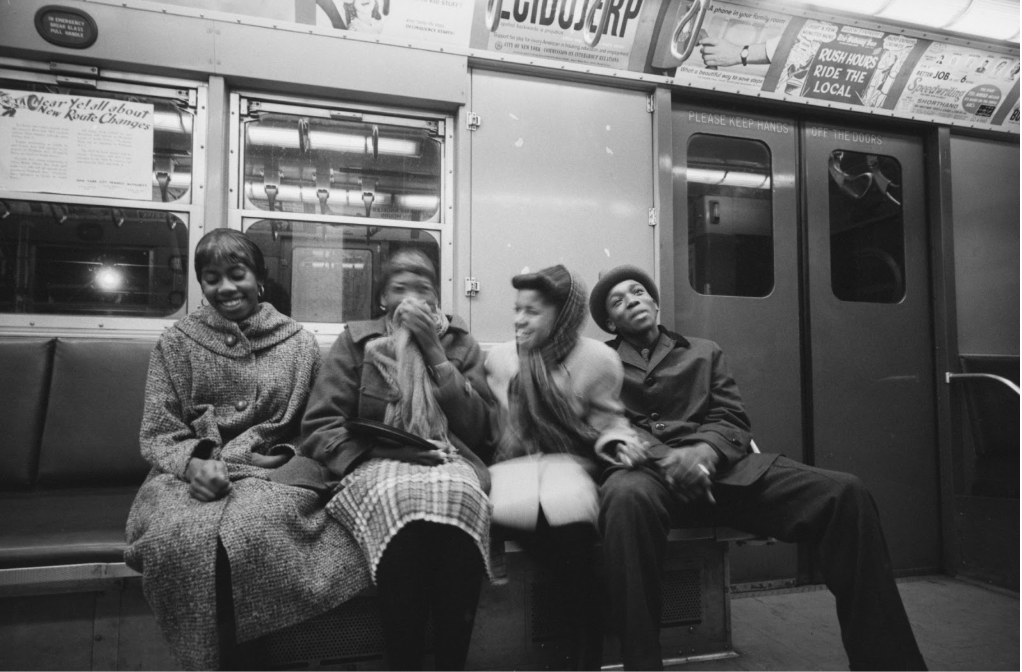
Photo via Unsplash
Finding Home in Jamaica, Queens
Queens opened its arms to many of these families, with African Americans settling in neighborhoods like Flushing, Corona, and Jamaica. By the 1930s, families were putting down roots in areas like South Jamaica. Byron Lewis, an African American pioneer in multicultural advertising and founder of UniWorld Group, experienced this transformation firsthand. His parents' families both traveled from the South during the Great Migration, choosing South Jamaica as the place to build their new life. On Pinegrove Street, Byron grew up alongside his parents, grandmother, and five siblings, part of a generation determined to create something lasting.
As more families arrived, they brought the richness of their Southern heritage with them: cultural traditions, beloved recipes, and an unstoppable entrepreneurial spirit. Restaurants filled the air with the aromas of home, groceries stocked familiar ingredients, and businesses sprang up to serve the growing community. Downtown Jamaica became more than a neighborhood. It became a cultural and economic heartbeat. The area's lively jazz clubs and vibrant music scene drew crowds from across the city, establishing Downtown Jamaica, Queens as a destination where Black culture flourished.
By the 1950s and 1960s, the Black population in South Jamaica grew dramatically as families continued to arrive from the South. Churches rose as pillars of strength and community, and businesses lined Jamaica Avenue with promise.
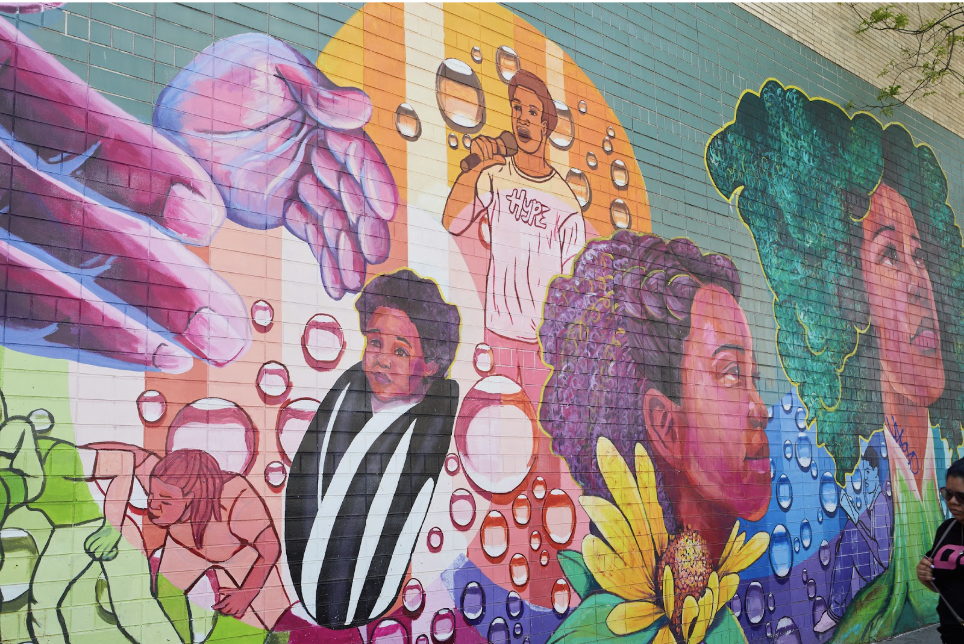
Photo by Christine Zhang
A Legacy That Shapes Our Present
Though discrimination in housing often forced families into overcrowded conditions, most still found northern life a profound improvement. Beyond the steady paychecks and better schools, there was something even more valuable: the ability to walk down the street without fear, to vote, to dream without limits, and to build wealth that could be passed down to their children.
The Great Migration forever changed how the nation understood race and possibility. Northern cities swelled with African American voices that refused to be silenced, and Black communities claimed their rightful place in shaping the nation's future. The movement fueled the fight for equality, a struggle that continues to push America toward its promise.
Jamaica, Queens stands as a living monument to the courage of those who dared to leave everything behind for the possibility of something better. The Black-owned businesses lining Jamaica Avenue, the churches that remain community anchors, the families who have called this neighborhood home for generations, all carry forward this legacy. Today, even as new immigrant communities add their own threads to our neighborhood's fabric, the Black community remains an integral part of Downtown Jamaica's identity. The community they built here reminds us that our neighborhood's greatest strength has always been the people who fought and continue to fight for the future they deserve.
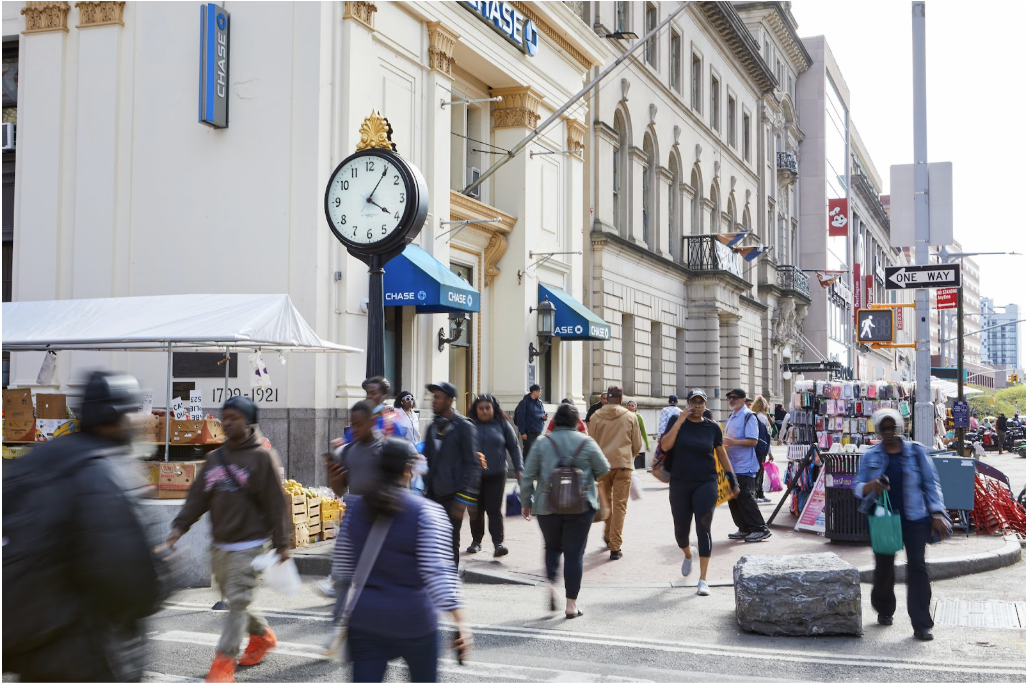
Photo by Christine Zhang