

Meet Me in Jamaica!
Oral History Project

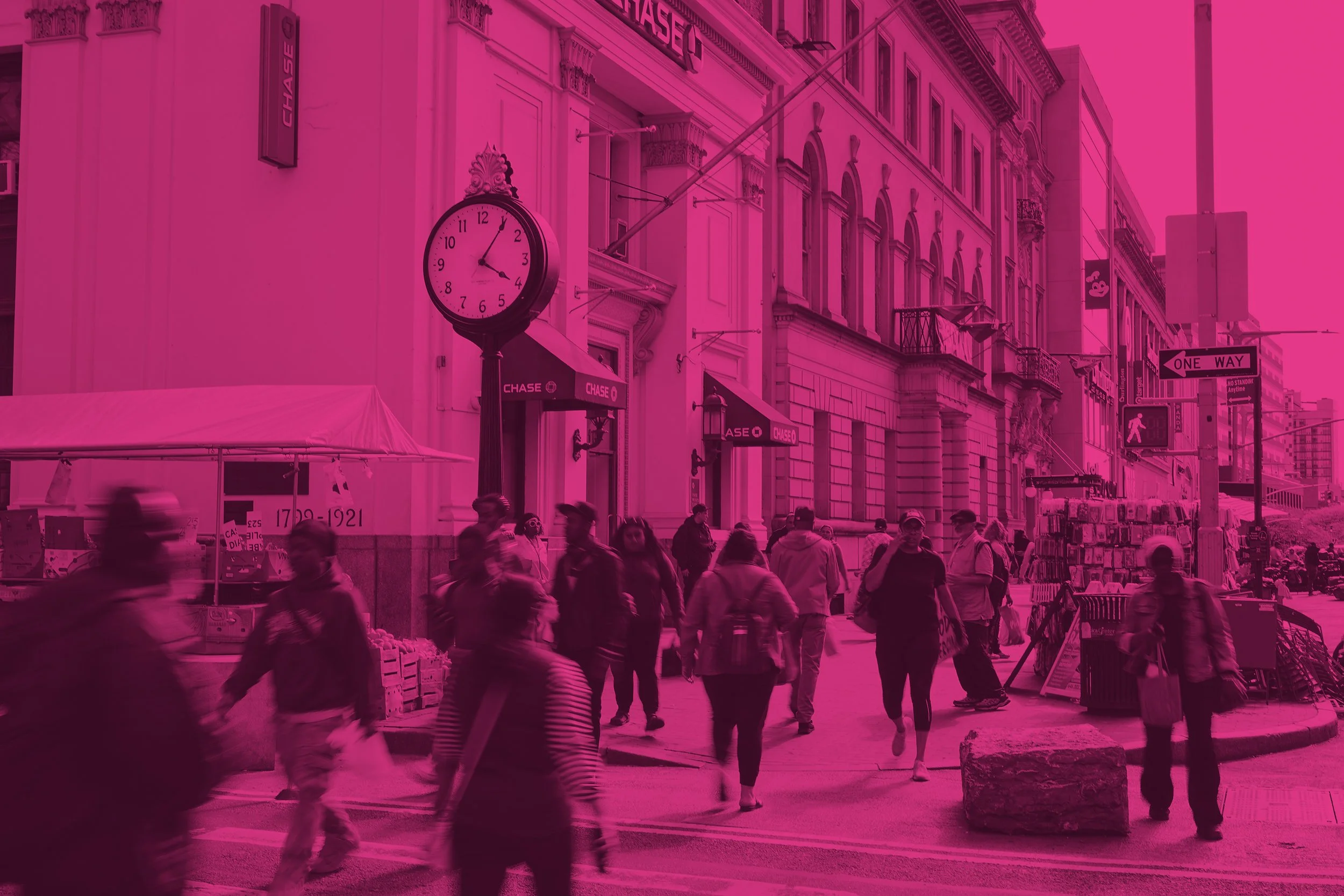
If there’s anything constant in NYC, it’s change—and DJQ is no exception. Sharing our stories is one way to preserve our history.

Featured Stories
-

Roberto
Roberto worked as a super and saw families struggling to afford Jamaica—three families crammed into one apartment, sharing rent just to stay. Young people can't afford to live here anymore and are pushed to more dangerous neighborhoods. He wishes there were more provisions for young families so they wouldn't have to leave or live packed in just to survive.
-

Khadija, Part 1
Khadija remembers when Jamaica was the hub that brought all of Queens together—the destination for sneakers, pizza at Margarita's, and the legendary Coliseum Mall that drew buses from out of state. Today, it's developing into something new. She hopes the new buildings create communal spaces for everyone and keep the neighborhood affordable.
-

Khadija Part 2
Khadija grew up in South Jamaica and went to Jamaica High School, where Jamaica Avenue was the transportation hub that brought students from all three high schools together. After school, she'd meet friends, do homework at the Central Library, and grab sneakers before heading home. That was her Jamaica routine.
-

Joseph, Part 1
Joseph describes Jamaica as a mini Manhattan—hustle and bustle, the Long Island Railroad, JFK four miles away. After 15 years here from Corona, he's still adjusting to the energy. High-rise luxury apartments and big companies have replaced mom-and-pop stores, but he likes the change.
-
Joseph, Part 2
Joseph sees Jamaica's growth but knows it needs more affordable housing, grocery stores, and hospitals. He dreams of a media center where young people can learn professional production and turn their phone use into real income.
-
Joseph, Part 3
Joseph's photography and graphic work is displayed across Jamaica—on NYC Link kiosks and in local businesses where politicians and entrepreneurs know his name. His brand grew here in ways his old neighborhood never allowed. Though remote work could take him anywhere, Jamaica is where his creative roots took hold.
-
Karen, Part 1
Karen and her husband own Bella Lulus at the Jamaica Market, where he grew a garden in the parking lot—poblano peppers, zucchini, dahlias, roses. Jamaica is home in a way Long Island never was. She feeds anyone who needs it because making sure people are okay means something to her.
-
Karen, Part 2
Karen sees gratitude, kindness, and real community in Jamaica that privileged neighborhoods lack. She envisions more sit-down restaurants, entertainment venues, maybe a bowling alley—the kind of energy that could draw people back from Long Island City and make Jamaica the destination.
-
Falynn
Falynn loves the Avenue—shopping at Primark, hanging at the movie theater and McDonald's with friends. Hot days, cold days, winter—they're always outside in Jamaica. So much to do.
-
Carolyn, Part 1
Carolyn came to Queens from segregated Virginia for school and found comfort in the neighborhood's diversity—Italians, Jews, Irish living side by side. She remembers the L train on Jamaica Avenue, the Tabernacle movie theater, and small concerts near the Social Security building.
-
Carolyn, Part 2
Carolyn cares deeply about her community and wishes more people would stop to help those struggling on the sidewalks. As an adult, she sees Jamaica Avenue's multicultural energy in new ways—a diversity that could strengthen the neighborhood's connection if everyone looked out for each other.
-
Barbara, Part 1
Barbara remembers when Jamaica Avenue was the place to be—two movie theaters, cherry Cokes with real cherries at Woolworth's, and tree-lined streets so quiet they called Queens "the place to sleep." Weekend concerts brought the community together, and everyone felt safe. That warmth feels like a different world now.
-
Barbara, Part 2
Barbara reflects on how commercialization replaced local stores and greenery with crowded apartment buildings. She worries most about affordability—when lifelong residents can't pass homes to their children, the community loses its heart.
-
Marisol
Marisol reflects on Jamaica’s vibrant past, from run-ins with music legends to late nights at Margarita Pizza with friends. Even after years away, she finds the neighborhood’s spirit—and its flavors—unchanged.
-
Okechukwu
Okechukwu reflects on Jamaica’s evolution since 2004, from early conversations about building a vibrant downtown. He believes affordable studios are essential to keeping the neighborhood’s creative spirit alive, fostering connection, and preserving the culture that makes Downtown Jamaica unique.
-
Marjorie
Marjorie, who’s called Jamaica home for 25 years, made Queens her place. She remembers a lively past filled with affordable shops like Learners, bustling meat and fish markets, and friends at every corner—that’s her Jamaica life.
-
Janelle
Janelle shares how meeting people face-to-face in Jamaica reveals its true warmth and energy, inspiring visitors to support local shops and see the neighborhood beyond its misconceptions.
Meet Me in Jamaica! FAQs
-
Everyone in DJQ has their own story to tell, and we want to hear all of them! That means you!
-
Our oral history team can be found at landmarks around DJQ on weekday afternoons, including:
165th Street Mall
Rufus King Park
Parsons Plaza
Jamaica Market
Sutphin Blvd AirTrain
Queens Court Houses
-
-
You can share your story, or join our volunteer oral history team, by filling out this form.


Where can you meet us?
Starting this summer, BID staff and our volunteer oral history team will be stationed at landmarks across DJQ on weekday afternoons, ready to capture your stories and memories. You’ll know ‘em when you see ‘em wearing bright pink DJQ t-shirts!
Click the map to expand it.

Sign up to share your DJQ story, or join our volunteer oral history team.
The Meet Me In Jamaica! Oral History Project is made possible by generous grant funds from Councilmember Nantasha Williams.